




Steeping Patience: What Waiting for Tea Teaches Us
Mindful Rituals | September 19, 2026
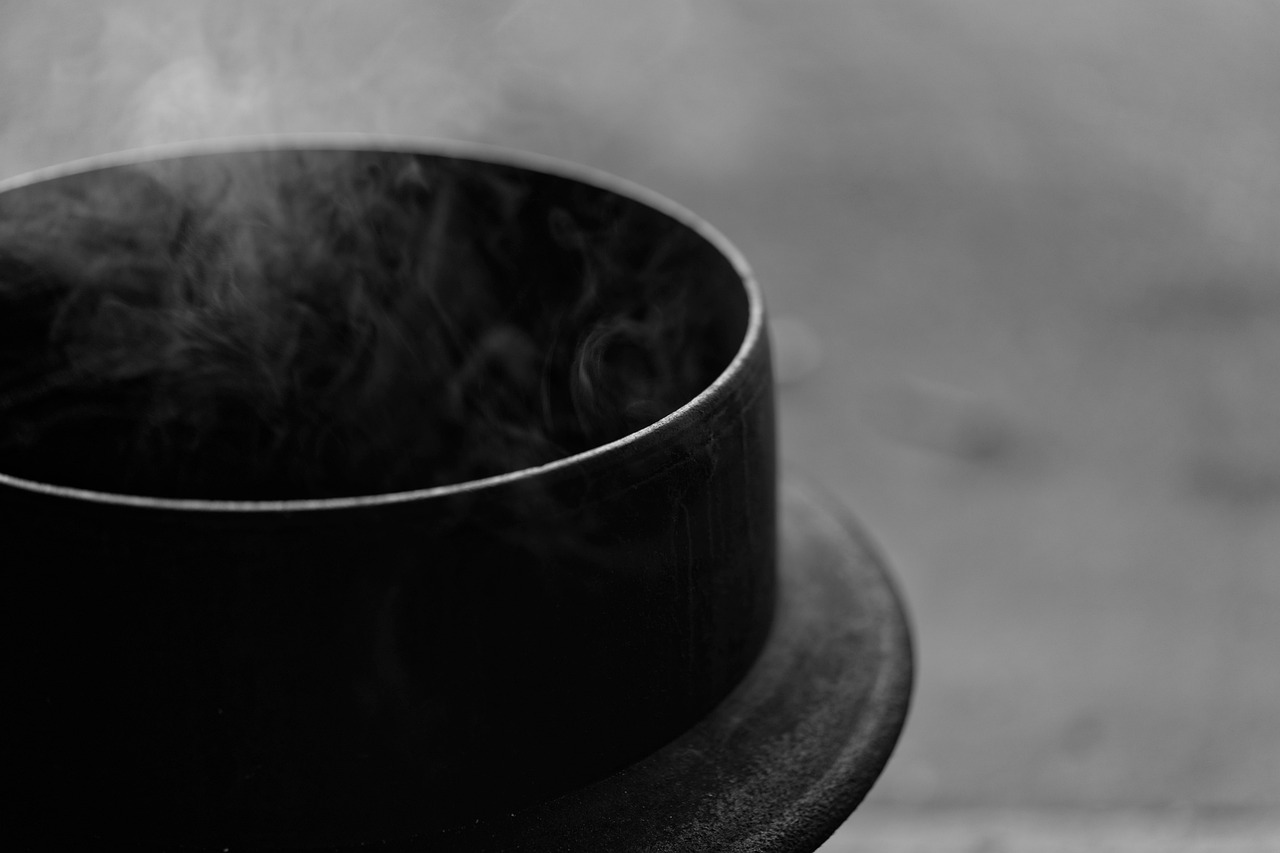
There is a particular kind of stillness that lives inside a steeping teapot. You have done your part — poured the water, watched the leaves unfurl, set the timer if you are the sort of person who sets timers — and now there is nothing left to do but wait. Not scroll. Not tidy the counter. Just wait, while the color deepens and the kitchen fills with something warm and green and slightly sweet.
I used to fight this pause without even noticing. I would start the tea and immediately find something else to touch — a dish to move, a message to answer, a drawer that suddenly needed reorganizing. The tea would steep too long and turn bitter, and I would drink it anyway, standing up, half-distracted, wondering why the ritual never felt as calming as I wanted it to.
The Pause You Didn't Plan
The steeping time is not empty time. It is a small, built-in invitation to stop moving. Three minutes, maybe four. Long enough to notice the light on the counter. Long enough to hear the refrigerator hum and the traffic outside and your own breathing underneath all of it. Long enough to remember that you are a person with a body, standing in a room, waiting for something good.
Mindfulness teachers talk about using ordinary moments as anchors, and I think tea is one of the gentlest anchors there is. You do not have to sit on a cushion or close your eyes. You just have to stand there, near the pot, doing nothing useful. The leaves are working. You are allowed to rest.
Sometimes I use the steeping minutes to stretch my hands. Sometimes I look out the window and let my eyes go soft. Sometimes I just feel the warmth of the stove. None of it is impressive. All of it counts.
Bitter Tea, Kind Lessons
Here is the thing about steeping: you cannot rush it, but you can absolutely ruin it. Leave the leaves in too long and the cup turns sharp and tannic. It is a small, forgiving lesson in the fact that good things have edges. Patience is not passive; it is a kind of attention. You are not just waiting for the tea — you are deciding, moment by moment, to let it become what it is.
The next time you make tea, try staying with it. Put your phone face down. Stand near the pot. Let the minutes pass without filling them. When you finally pour, notice how the cup feels in your hands, how the first sip lands. You did not earn this calm by doing anything. You simply stopped long enough to receive it.
That is the whole practice, really. Not doing more, but doing less — and letting the warmth find you where you stand.


Teacup Thinking

Warm water, a soft cloth, and the quiet dignity of caring for ordinary things.